Viruses
Viruses are programmes that can replicate themselves and spread to other computers by attaching themselves to legitimate files or programs. Viruses are mostly stored in executable files; if there is a virus in your system, it can't take any action unless the user executes it, which means the virus may exist in a system but will only spread when a user opens the infected file. Viruses can delete or corrupt the system files, which can cause damage to data, software, and hardware and render the computer unusable.
Worms
Worms are similar to viruses in that they can also replicate themselves. However, unlike viruses that require user action to propagate, worms are standalone software that does not need a host or human assistance to propagate. Worms are designed to gain access to systems; their primary purpose is to spread and consume network resources, overloading web servers by consuming bandwidth and infecting multiple computers on a network, causing significant damage. They use computer networks to spread. Worms typically slow down traffic and exploit security vulnerabilities such as outdated operating systems and the absence of antivirus software or programs. Worms can carry payloads that damage the user's computer and can spread autonomously by exploiting network or system vulnerabilities. .
Spyware
Spyware is designed to secretly track and gather users' activities and information without their knowledge. It actively monitors the actions taken by the user and records browsing history, search history, and financial data, such as banking login details or credit card information. Another type of malware, a keylogger, collects a user's keystrokes through keylogging to steal passwords and other sensitive data. All the gathered information is then transmitted to the malware's creator using the Internet.

Trojan/Trojan Horse
Trojan is a malicious piece of software that disguises itself as legitimate software but contains malicious code. Trojans enter the user's computer under disguise as a normal file or program and then execute malicious tasks as directed by their creators. Trojan can be used to steal sensitive information, establish backdoors for cybercriminals by providing remote access to your system and even download other types of malware or function as spyware.
Adware
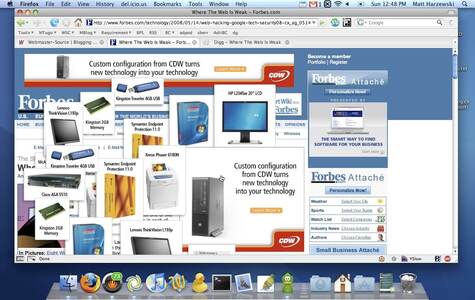
Adware is created to display advertisements on a user's computer. This results in pop-ups, browser redirects, hyperlinks, or ads in unusual locations that often promote malicious or fraudulent products. The creators of this malware generate revenue based on the number of clicks or views these ads receive. While adware is not always inherently harmful, it can be intrusive and have a negative impact on the user's experience. Additionally, adware often records the user's activities, functioning as a form of spyware as well.

Ransomware
Ransomware takes your computer hostage and demands payment. Ransomware uses powerful encryption to lock the user's personal and confidential data or even the entire computer system. It effectively seizes control of your computer, threatening to destroy your data unless a ransom or payment is made for the decryption key. This key is needed to unlock your data and files, as decrypting them without the key is nearly impossible. Cybercriminals typically demand payment in the form of Bitcoin, which is hard for security officials to trace. However, even if the ransom is paid, there's no guarantee that the files will be decrypted.